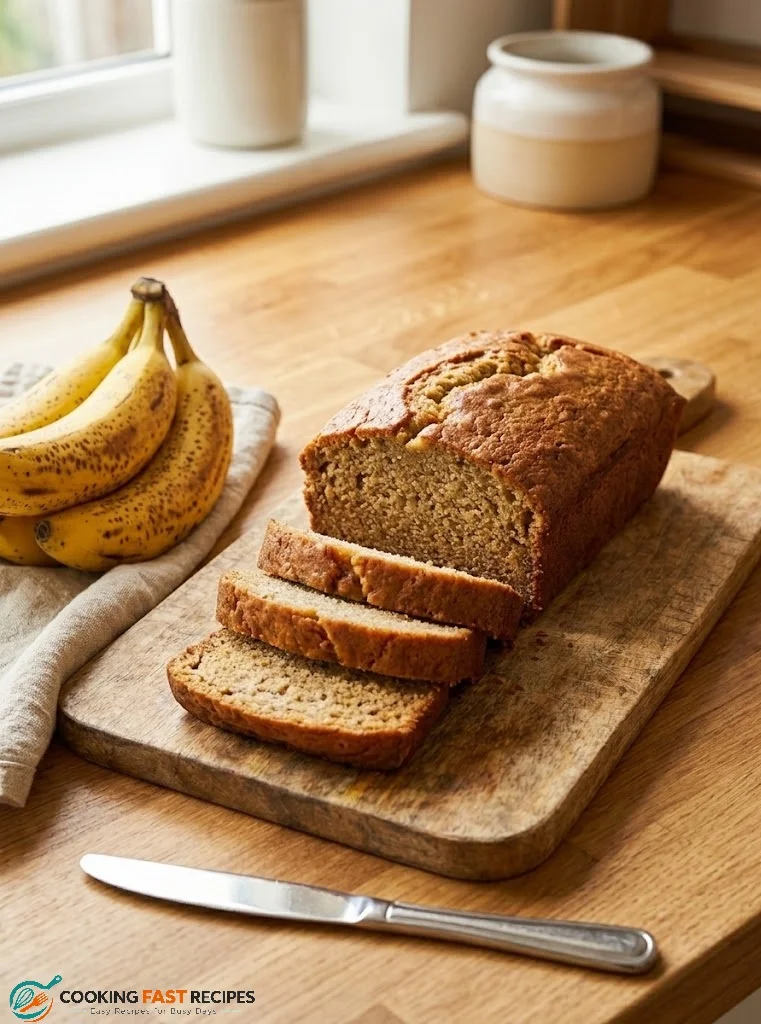
The Best Fluffy Pancakes recipe you will fall in love with. Full of tips and tricks to help you make the best pancakes.

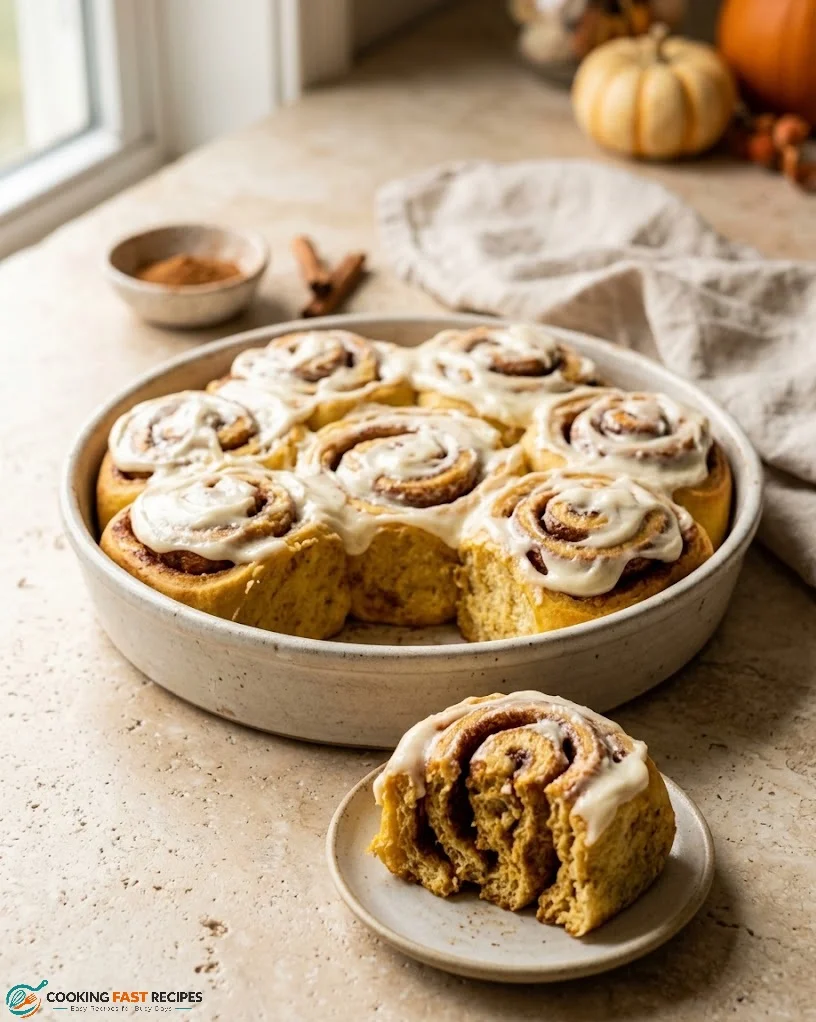
There is something especially comforting about pumpkin cinnamon rolls on a cool morning. The dough is soft and lightly enriched with pumpkin, the filling is warm with cinnamon and brown sugar, and the whole pan comes out of the oven smelling like a cozy autumn kitchen.
These pumpkin cinnamon rolls are soft without being overly heavy, with a tender center and golden edges. A simple cream cheese frosting melts into the warm spirals, adding just enough tanginess to balance the sweet cinnamon filling.
They are a lovely choice for a weekend breakfast, holiday brunch, or an afternoon treat when you want something homemade without making an overly complicated pastry.
Why You’ll Love These Pumpkin Cinnamon Rolls
This recipe brings together a few things that make homemade cinnamon rolls especially satisfying.
The pumpkin adds moisture and a subtle seasonal flavor without making the rolls taste like pumpkin pie. Cinnamon and brown sugar provide the familiar filling, while the cream cheese frosting adds a cool, creamy finish.
You also have plenty of flexibility. The rolls can be prepared ahead of time, refrigerated overnight, or frozen for another day.
Most importantly, you don’t need complicated decorating techniques. Once the dough is rolled, filled, sliced, and arranged in the pan, the oven does most of the work.
Pumpkin Cinnamon Rolls at a Glance
| Detail | Recipe |
|---|---|
| Prep time | About 30 minutes |
| Rising time | About 1½–2 hours |
| Baking time | About 25–30 minutes |
| Total time | About 2½–3 hours |
| Yield | 10–12 rolls |
| Category | Breakfast / Dessert |
| Main flavor | Pumpkin, cinnamon and brown sugar |
| Best served | Warm |
Ingredients
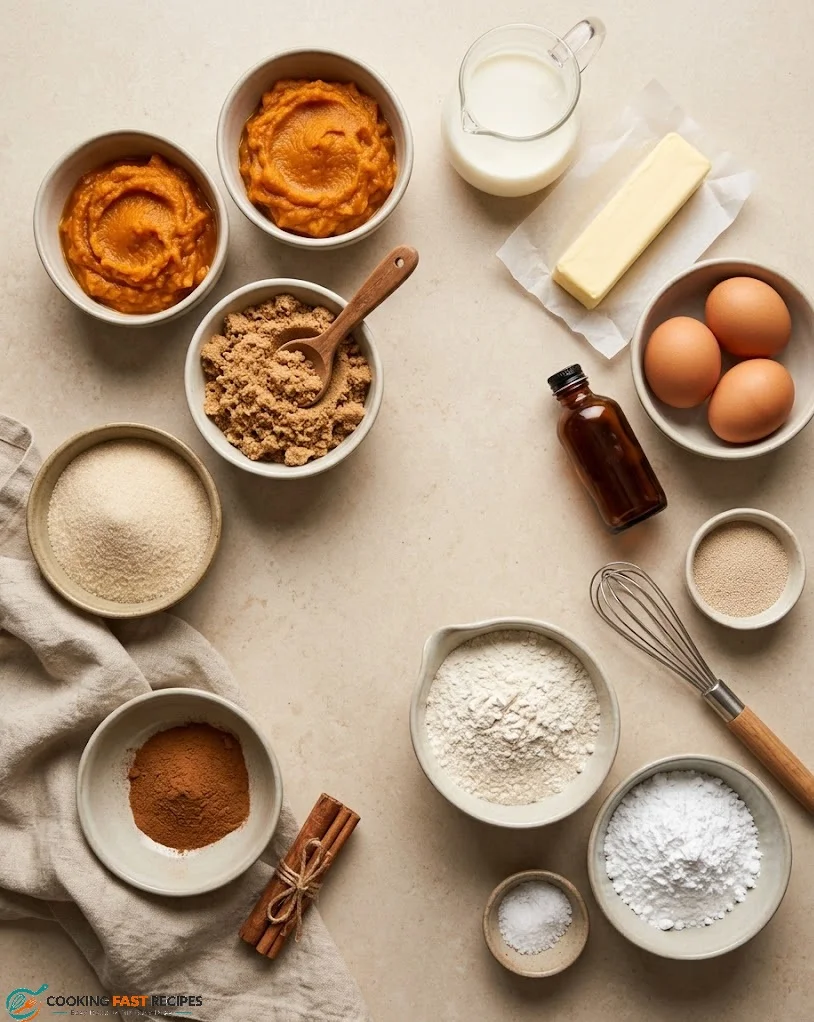
For the Dough
- 3 cups all-purpose flour
- 2¼ teaspoons active dry yeast
- ¼ cup granulated sugar
- ½ teaspoon salt
- ¾ cup warm milk
- ½ cup pumpkin puree
- 1 large egg
- ¼ cup unsalted butter, melted
- 1 teaspoon vanilla extract
For the Cinnamon Filling
- ⅓ cup packed brown sugar
- 2 tablespoons all-purpose flour
- 1½ teaspoons ground cinnamon
- ¼ teaspoon ground nutmeg
- ¼ cup unsalted butter, softened
For the Cream Cheese Frosting
- 4 ounces cream cheese, softened
- 2 tablespoons unsalted butter, softened
- ¾ cup powdered sugar
- ½ teaspoon vanilla extract
- 1–2 tablespoons milk, as needed
Use plain pumpkin puree rather than pumpkin pie filling. Pumpkin pie filling already contains added sugar and spices, which can change both the sweetness and the texture of the dough.
Before You Start
A few small details make a noticeable difference when making pumpkin cinnamon rolls.
The milk should be warm rather than hot. Very hot liquid can interfere with the yeast, while cool liquid simply takes longer to activate it.
Your butter should be softened for the filling but not melted. Soft butter spreads across the dough much more evenly and helps keep the cinnamon-sugar mixture in place.
It is also worth measuring the flour carefully. Adding too much flour is one of the easiest ways to end up with dense cinnamon rolls.
The dough should feel soft and slightly tacky after kneading. It should not be wet enough to stick heavily to your hands, but it also shouldn’t feel stiff like bread dough that is ready for a long, vigorous knead.
How to Make Pumpkin Cinnamon Rolls
1. Prepare the Dough
Combine the warm milk, yeast, and a small portion of the sugar in a mixing bowl. Let it sit for several minutes until the yeast begins to activate.
Add the pumpkin puree, egg, melted butter, vanilla, remaining sugar, and salt. Stir until the mixture is combined.
Gradually add the flour, mixing as you go. Once a soft dough begins to form, transfer it to a lightly floured surface.
2. Knead Until Smooth
Knead the dough for several minutes until it becomes smoother and elastic.
You don’t need to knead it aggressively. The goal is a dough that holds together well and feels soft and supple.
If the dough is extremely sticky, add a small amount of flour at a time. Avoid adding large amounts because the extra flour can make the finished rolls firm instead of tender.
3. Let the Dough Rise
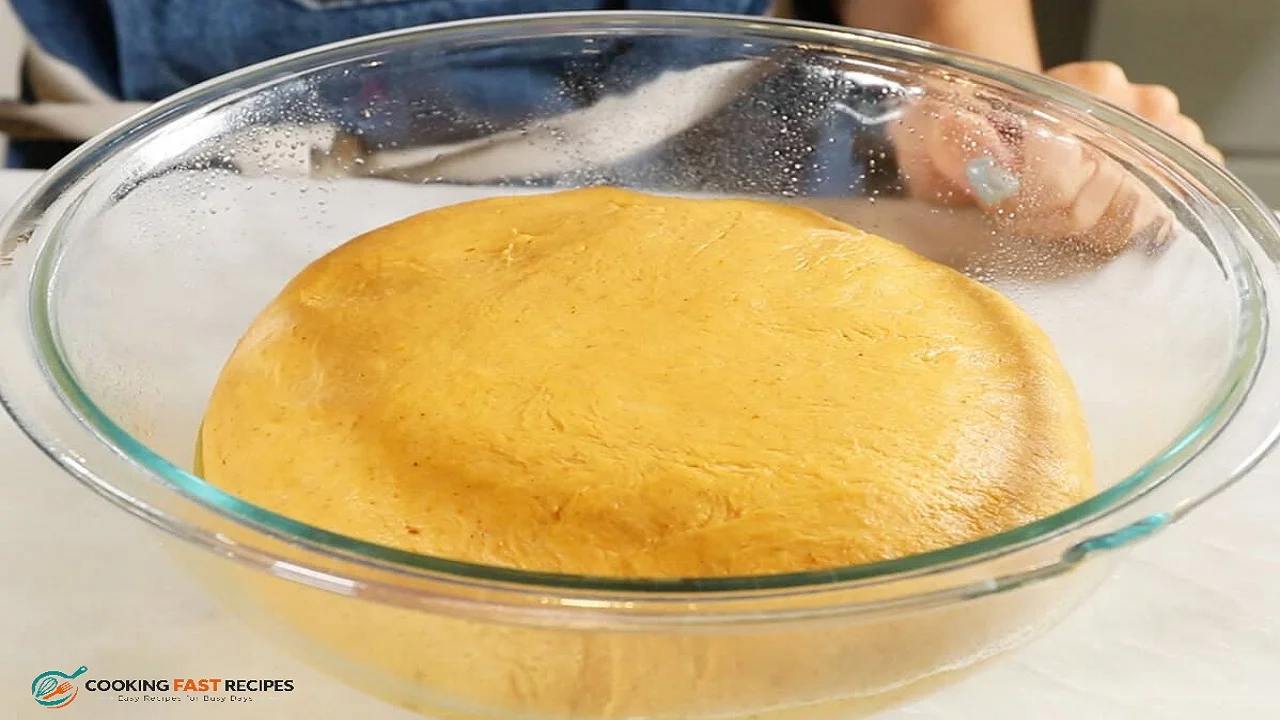
Place the dough in a lightly greased bowl and cover it with a clean kitchen towel or plastic wrap.
Leave it in a warm, draft-free place until it has noticeably expanded.
Depending on the temperature of your kitchen, this can take around 60 to 90 minutes.
The dough doesn’t necessarily have to double perfectly. Look for a clear increase in volume and a lighter, more relaxed texture.
4. Make the Cinnamon Filling
While the dough rises, combine the brown sugar, flour, cinnamon, and nutmeg.
The small amount of flour helps the filling stay together rather than turning into a very loose sugary layer during baking.
Keep the softened butter nearby so it can be spread over the dough once the dough has been rolled out.
5. Roll Out the Dough
Once the dough has risen, gently press it down and transfer it to a lightly floured surface.
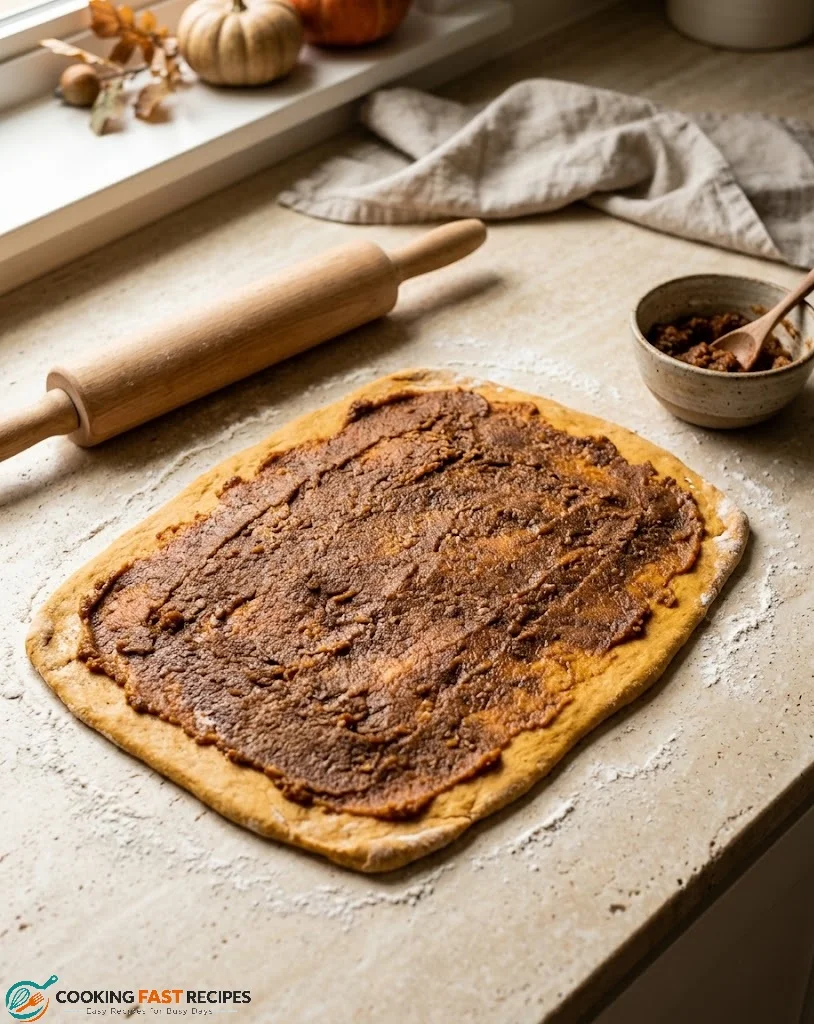
Roll it into a rectangle, aiming for an even thickness.
Spread the softened butter over the surface, leaving a small border around the edges. Sprinkle the cinnamon and brown sugar mixture evenly over the butter.
Try not to pile the filling heavily in the center. An even layer helps each roll develop a similar spiral.
6. Roll and Slice
Starting from one long side, roll the dough into a log.
Keep the roll reasonably snug, but don’t pull or stretch the dough aggressively as you roll.
Use a sharp knife or unflavored dental floss to divide the log into 10 to 12 pieces.
If the log feels too soft to slice cleanly, refrigerate it for a few minutes before cutting.
7. Arrange the Rolls
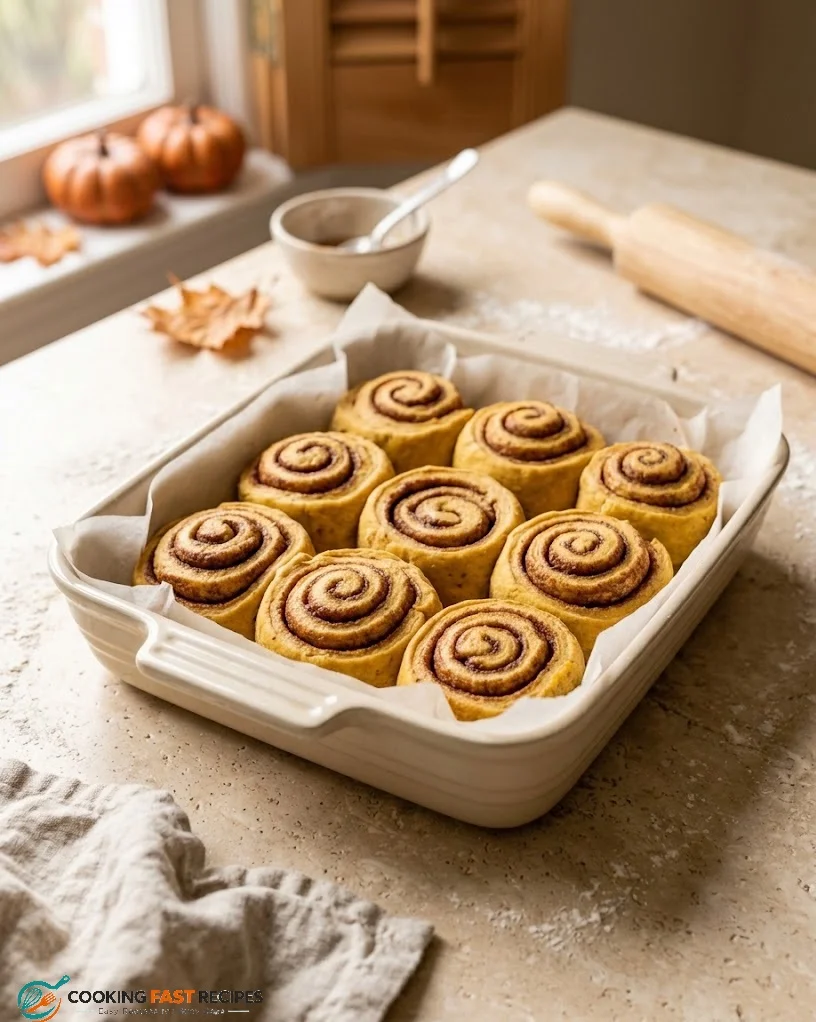
Place the slices into a greased baking dish, leaving a little room between them.
The rolls will expand as they rise again and while they bake, so they don’t need to be tightly packed at this stage.
Cover the dish and let the rolls rest until they look noticeably puffy.
This second rise is important. Skipping it can leave the finished rolls heavier and less airy.
8. Bake
Preheat the oven to 350°F (175°C).
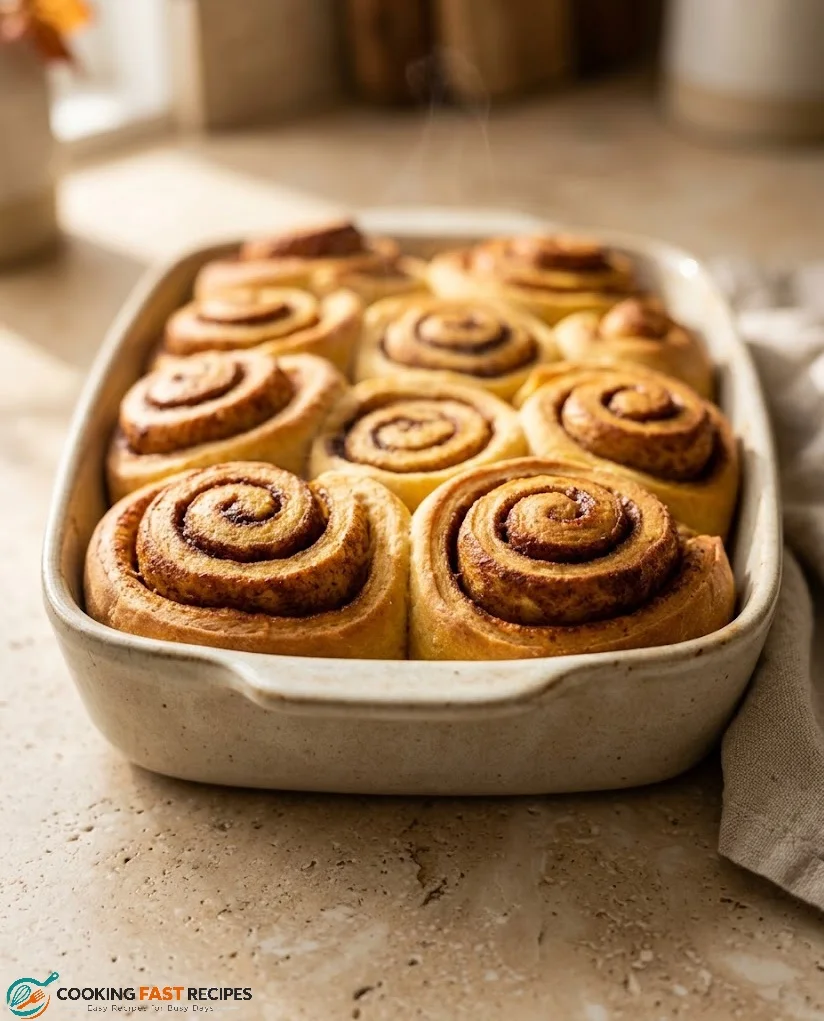
Bake the rolls until the tops are lightly golden and the center rolls are cooked through.
The exact baking time can vary depending on the size of the rolls and the baking dish. Start checking them toward the end of the suggested baking time rather than relying only on color.
You want the edges lightly golden while the center remains soft.
9. Make the Cream Cheese Frosting
While the rolls are baking, beat the softened cream cheese and butter until smooth.
Add the powdered sugar and vanilla and mix until creamy.
Add a little milk if necessary to reach a spreadable consistency.
The frosting should be thick enough to sit on the rolls but soft enough to spread easily.
10. Frost While Warm
Let the rolls cool for a few minutes after removing them from the oven.
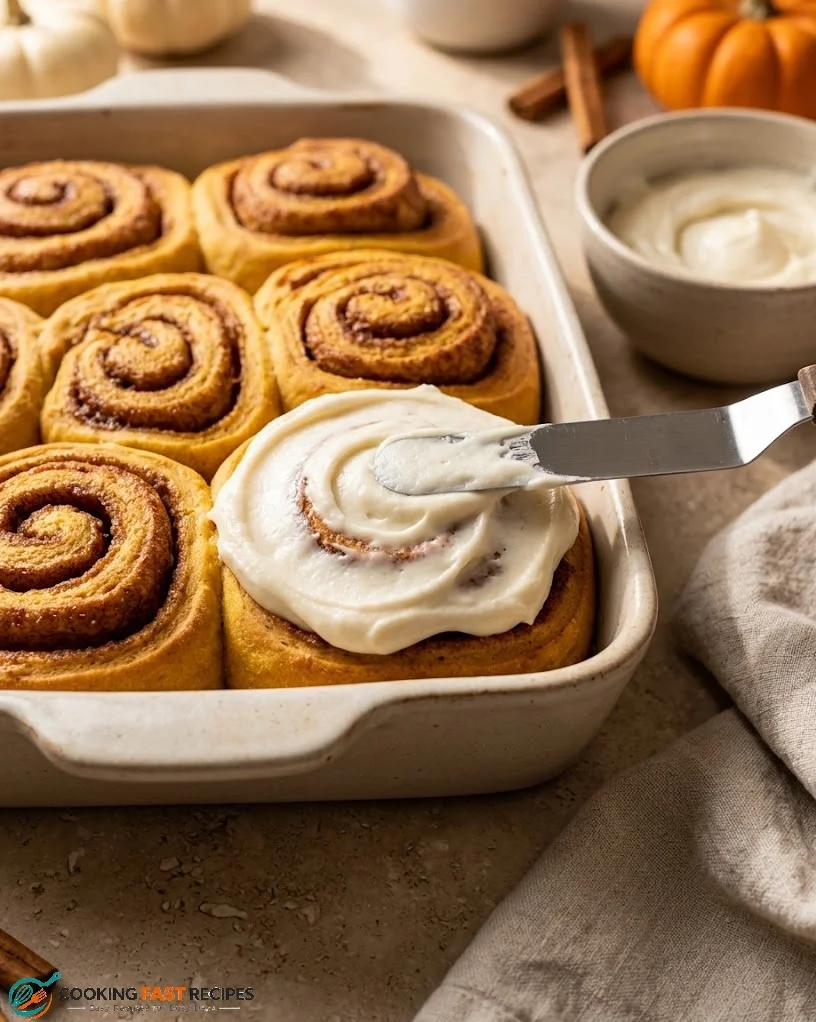
Spread the cream cheese frosting over the warm rolls while they are still slightly hot.
Some of the frosting will soften and melt into the cinnamon layers, while the rest will remain creamy on top.
That contrast is one of the best parts of serving pumpkin cinnamon rolls fresh from the oven.
What Kind of Pumpkin Should You Use?
Use plain canned pumpkin puree for the most convenient option.
If you prefer homemade pumpkin puree, make sure it is reasonably thick. Very watery puree can add extra moisture to the dough and make it difficult to achieve the expected consistency.
Avoid using canned pumpkin pie filling unless the recipe has been specifically adjusted for it. Pumpkin pie filling normally contains sweeteners and spices, so substituting it directly can change the balance of the recipe.
How to Keep Pumpkin Cinnamon Rolls Soft
The texture of cinnamon rolls depends on the balance between flour and moisture.
Start with the recommended amount of flour and only add more if the dough genuinely needs it. A dough that feels slightly soft before rising is usually preferable to one that feels dry and stiff.
Another important step is not overbaking the rolls. They should have lightly golden edges while remaining tender in the center.
Once they have cooled, keep them covered so they don’t dry out.
If you’re serving them later, a gentle reheat can bring back some of the soft texture. A few seconds in the microwave is usually enough for an individual roll, although the exact time depends on your microwave.
Can You Make These Rolls Ahead of Time?
Yes. Pumpkin cinnamon rolls work well as a make-ahead breakfast.
You can prepare the dough, roll it out, add the filling, slice the rolls, and arrange them in the baking dish.
Instead of letting them complete the final rise at room temperature, cover the dish and refrigerate it.
The next day, allow the rolls to sit at room temperature for a while so they can warm up and become puffy before baking.
Because kitchens and refrigerators vary in temperature, use the appearance of the dough as your guide. You want the rolls to look noticeably expanded before they go into the oven.
Can You Freeze Pumpkin Cinnamon Rolls?
Yes. You can freeze baked rolls or prepare the rolls ahead and freeze them before baking.
For the best texture, wrap them tightly and protect them from freezer air.
If freezing baked rolls, allow them to cool completely before wrapping.
When you’re ready to eat them, thaw them in the refrigerator or use another safe thawing method, then warm them gently.
The cream cheese frosting is best prepared fresh if you want the smoothest texture, although frosted rolls can also be stored.
How to Store Leftover Rolls
Store leftover rolls in a covered container.
Because the frosting contains cream cheese, refrigerated storage is the safer choice for longer storage rather than leaving frosted rolls at room temperature for extended periods.
For general food-safety guidance, the USDA recommends refrigerating leftovers promptly and using refrigerated leftovers within 3 to 4 days.
USDA Food Safety and Inspection Service: Leftovers and Food Safety
When reheating, warm only the amount you plan to serve. This helps preserve the texture instead of repeatedly heating and cooling the entire batch.
Easy Variations
Add Chopped Pecans
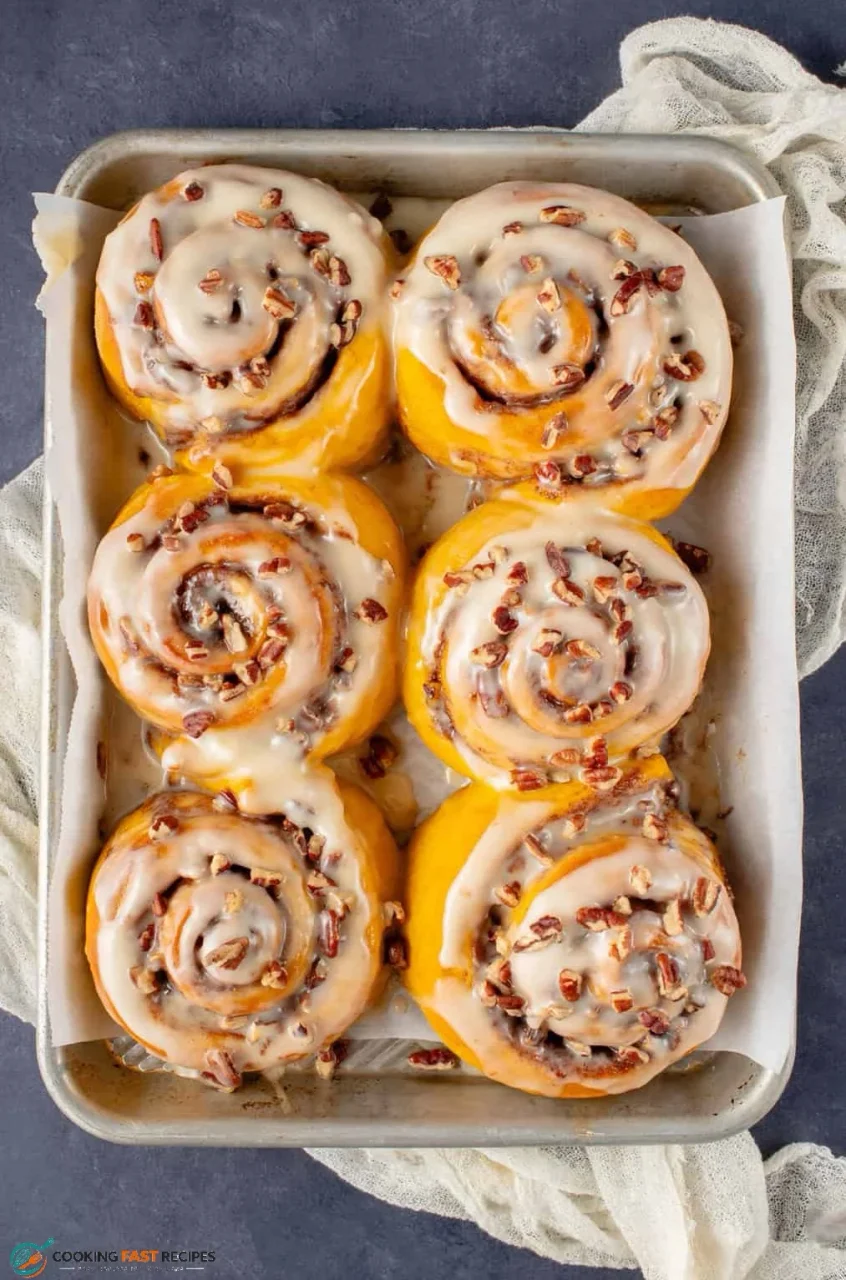
Scatter finely chopped pecans over the cinnamon filling before rolling the dough. They add a pleasant crunch and work especially well with pumpkin and brown sugar.
Add a Little Maple Flavor
A small amount of maple syrup can be incorporated into the frosting for a warmer autumn flavor.
Because maple syrup adds liquid, use it sparingly so the frosting doesn’t become too thin.
Make Them Without Cream Cheese Frosting
If you prefer a simpler finish, serve the rolls without cream cheese frosting or drizzle them with a basic powdered sugar glaze instead.
Add More Warm Spices
Cinnamon is the main spice here, but a small amount of nutmeg or ginger can give the rolls a more pronounced fall flavor.
The key is moderation. Pumpkin has a delicate flavor, and too many spices can overpower it.
Common Problems and How to Fix Them
The Dough Is Too Sticky
The dough may need a little more flour, but add it gradually.
Humidity, the moisture level of the pumpkin puree, and how flour is measured can all affect dough consistency.
The Rolls Didn’t Rise
Check the yeast first.
Old or improperly stored yeast may not activate well. Very hot milk can also interfere with yeast activity.
The room temperature matters too. A cool kitchen can significantly slow the rising process.
The Rolls Are Dense
Too much flour and insufficient rising time are two common causes.
If the dough was stiff before rising, it may have contained more flour than necessary.
Make sure you also allow enough time for both rises.
The Filling Leaked Out
Some filling movement is normal, but excessive leakage can happen when the dough is rolled too loosely or when there is too much butter or sugar concentrated in one area.
Spread the filling evenly and roll the dough firmly without compressing it.
The Centers Are Undercooked
If the tops are already deeply browned but the center still needs time, loosely cover the pan with foil and continue baking.
This helps slow additional browning while the center finishes cooking.
What to Serve With Pumpkin Cinnamon Rolls
These rolls are substantial enough to serve on their own, but they also fit nicely into a larger breakfast or brunch.
For a savory option, pair them with eggs or another simple breakfast dish.
If you’re preparing a more complete weekend breakfast, you can also browse our Easy Healthy Dinner Recipes for additional meal inspiration.
For another chicken-based meal later in the day, our Easy Chicken Dinner Ideas collection offers several simple options.
And if you are planning several quick meals for a busy week, take a look at our Easy Weeknight Dinner Recipes.
These internal links are useful beyond SEO because they give readers a natural next step after reading the recipe.
Frequently Asked Questions
Can I use pumpkin pie filling instead of pumpkin puree?
It is better to use plain pumpkin puree. Pumpkin pie filling normally contains sugar and spices, which can change the sweetness and flavor of the dough.
Can I make these pumpkin cinnamon rolls the night before?
Yes. Prepare the rolls through the shaping stage, cover them, and refrigerate them overnight. Allow them to warm up and become puffy before baking the next day.
Why are my cinnamon rolls not fluffy?
Too much flour, insufficient rising time, inactive yeast, or overbaking can all result in firmer rolls.
Pay particular attention to the dough texture before adding more flour and allow enough time for both rises.
How do I keep pumpkin cinnamon rolls soft?
Avoid adding unnecessary flour, don’t overbake them, and keep them covered once they have cooled. Gentle reheating can help restore some of the soft texture when serving leftovers.
Can I freeze pumpkin cinnamon rolls?
Yes. They can be frozen either baked or prepared ahead of baking. Wrap them well to protect them from freezer air and thaw them safely before reheating.
How long do leftover pumpkin cinnamon rolls last?
Because these rolls are topped with cream cheese frosting, refrigerate them in a covered container. For general leftover food-safety guidance, USDA recommends using refrigerated leftovers within 3 to 4 days.
Final Thoughts
These pumpkin cinnamon rolls are a good example of how a familiar homemade favorite can take on a seasonal twist without becoming complicated.
Pumpkin adds moisture and a gentle autumn flavor, while brown sugar and cinnamon create the classic filling everyone expects from a cinnamon roll. The cream cheese frosting brings everything together with a cool, tangy finish.
They’re especially good when served warm, but the make-ahead and freezer options make them practical for busy mornings too.
If you’re looking for a cozy breakfast or brunch bake for a fall weekend, this is a recipe worth keeping close.